

What Is IECEx Certification and Why It Matters for Industries Worldwide
Table of Contents
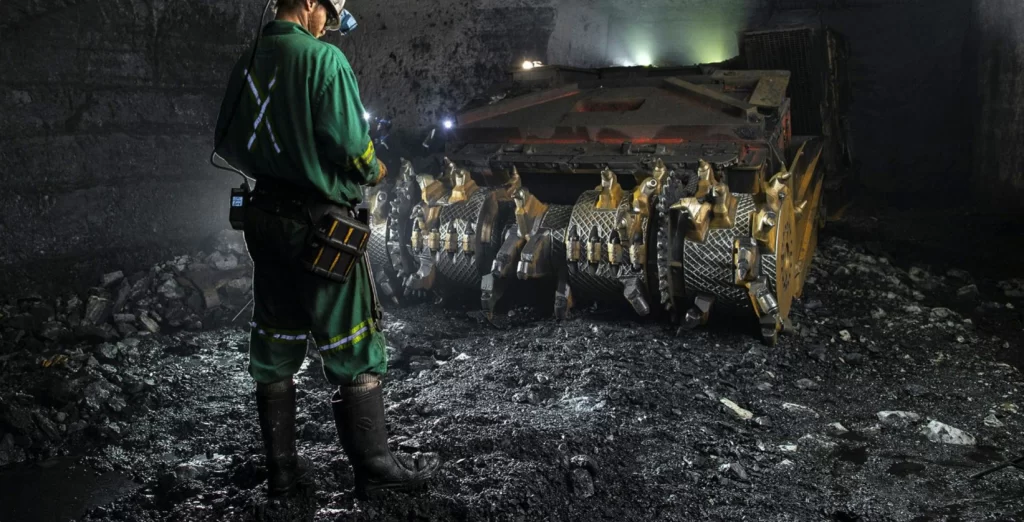
Industries operating in hazardous environments face one non-negotiable priority: explosion safety. Whether in mining, oil and gas, chemical processing, manufacturing, or energy production, the presence of flammable gases, vapours, or combustible dusts creates serious risks to people, assets, and operations.
This is where IECEx certification plays a critical role. Recognised globally, IECEx provides assurance that equipment, services, and personnel used in hazardous locations meet strict international safety standards.
While many certification bodies operate from specific countries, IECEx certification itself is international in scope. Organisations based in South Africa, such as MASC, support clients locally and globally, helping manufacturers, operators, and service providers meet explosion-protection requirements wherever they operate.
What Is IECEx Certification?
The IECEx (International Electrotechnical Commission System for Certification to Standards Relating to Equipment for Use in Explosive Atmospheres) is a globally accepted certification system for explosion protection.
IECEx certification applies to:
Equipment used in hazardous locations
Services such as installation, repair, and overhaul
Personnel working in explosive atmospheres
Unlike regional schemes, IECEx is designed to support international trade and global compliance, reducing the need for multiple certifications across different countries.
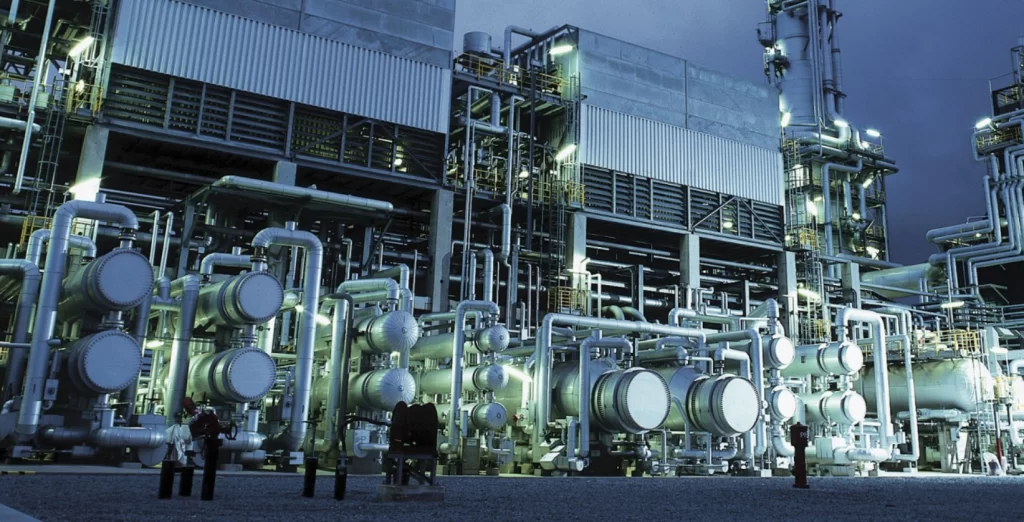
What Is Considered a Hazardous Location (Ex Area)?
A hazardous location — often referred to as an Ex area — is any environment where an explosive atmosphere may occur due to the presence of flammable substances. These may include:
Flammable gases or vapours
Combustible dusts
Fibres or flyings
Hazardous areas are classified into zones based on the likelihood and duration of the explosive atmosphere. These zones determine the type of explosion-protected equipment that may be used.
Industries worldwide rely on accurate hazardous area classification and certified equipment to ensure safe operation and regulatory compliance.
Why IECEx Certification Matters Globally
1. Safety and Risk Reduction
IECEx certification ensures that equipment and services meet internationally recognised safety standards. This significantly reduces the risk of explosions, fires, injuries, and fatalities in hazardous environments.
2. Regulatory Compliance Across Borders
Many countries reference IEC standards within their own legislation or accept IECEx certification as part of their compliance framework. This makes IECEx particularly valuable for companies operating in multiple jurisdictions.
3. International Market Access
For manufacturers and exporters, IECEx certification simplifies access to global markets. Equipment certified under IECEx is widely accepted by regulators, clients, and insurers around the world.
4. Operational Confidence
Certified equipment and services provide confidence to plant operators, safety officers, and engineers that explosion risks have been properly assessed and controlled.
IECEx vs ATEX: Understanding the Difference
IECEx is often compared to ATEX, but the two serve different purposes:
IECEx is an international certification system, recognised globally.
ATEX is a European regulatory directive, primarily applicable within the EU.
While ATEX certification may be required for certain European markets, IECEx is frequently preferred for organisations that operate internationally or export to multiple regions. In many cases, IECEx certification can support or simplify ATEX compliance, depending on the application.
Industries That Commonly Require IECEx Certification
IECEx certification is relevant to a wide range of industries worldwide, including:
Mining
Oil and gas
Petrochemical processing
Chemical manufacturing
Energy and power generation
Grain handling and food processing
Paint, solvent, and pharmaceutical facilities
Any environment where explosive atmospheres may occur requires certified equipment and competent personnel.
How the IECEx Certification Process Works
While specific requirements vary depending on the scope, the IECEx certification process typically involves:
Application and scope definition
Technical assessment and testing
Evaluation against relevant IEC standards
Certification issuance
Ongoing compliance and surveillance, where applicable
Accredited testing laboratories and certification bodies play a vital role in ensuring that assessments are performed consistently and accurately.

The Value of Working With an Internationally Focused Certification Body
Although IECEx is global, working with a certification body that understands both international standards and local regulatory environments can be a significant advantage.
Certification bodies based in South Africa, such as MASC, support clients across borders by combining:
International IECEx expertise
Deep understanding of regional standards and legislation
Efficient communication and technical support
Experience across multiple industries and markets
This approach allows companies worldwide to achieve compliance efficiently, without compromising on safety or quality.
Common IECEx Certification Mistakes to Avoid
Organisations seeking IECEx certification often encounter avoidable challenges, including:
Using non-certified components within certified assemblies
Incomplete or incorrect technical documentation
Assuming regional certifications automatically meet IECEx requirements
Failing to maintain ongoing compliance under quality or mark schemes
Early engagement with an experienced certification body can prevent delays, rework, and unnecessary costs.
Frequently Asked Questions About IECEx Certification
Is IECEx certification mandatory?
Requirements depend on local legislation and industry regulations, but IECEx is widely accepted as best practice for explosion safety.
Can IECEx certification be used internationally?
Yes. IECEx is designed specifically to support global recognition and international trade.
Does IECEx apply to personnel as well as equipment?
Yes. IECEx includes certification schemes for equipment, services, and personnel competency.
How long does IECEx certification take?
Timeframes vary depending on product complexity, documentation readiness, and testing requirements.
Final Thoughts
IECEx certification is more than a compliance exercise — it is a commitment to safety, reliability, and international best practice. For organisations operating in hazardous environments anywhere in the world, IECEx provides a trusted framework that protects people, assets, and business continuity.
With globally recognised standards and internationally active certification bodies based in South Africa, companies can achieve IECEx certification that supports both local operations and international growth.
Need IECEx Certification or Technical Guidance?
If you are planning a new project, exporting equipment, or need guidance on explosion protection compliance, working with an experienced IECEx certification body can save time, cost, and unnecessary risk. MASC supports organisations worldwide with IECEx certification, testing, assessment, and technical expertise — all aligned with international standards.
👉 Contact us to discuss your requirements or to speak with a specialist about your certification needs.