

A Step-by-Step Guide to Getting Ex Equipment Certified for Hazardous Locations
Operating equipment in hazardous locations comes with strict safety and compliance requirements. Whether equipment is used in mining, oil and gas, chemical processing, energy production, or manufacturing, it must be certified to ensure it will not ignite an explosive atmosphere.
For organisations operating internationally or supplying equipment across borders, IECEx certification is one of the most widely recognised and trusted certification systems for explosion protection.
This guide explains, step by step, how to get Ex equipment certified, what is required, and how organisations can avoid common delays when certifying equipment for hazardous locations anywhere in the world.
Step 1: Determine Whether Your Ex Equipment Must Be Certified for Hazardous Locations
The first step is establishing whether the equipment will be used in a hazardous location (Ex area). A hazardous location is any area where an explosive atmosphere may occur due to:
Flammable gases or vapours
Combustible dusts
Fibres or flyings
If equipment is intended for use in such environments, it must be designed, tested, and certified according to recognised explosion protection standards. This applies regardless of where the equipment is manufactured or where it will ultimately be installed.
Step 2: Identify the Applicable Standards and Protection Concepts
Once the hazardous area is confirmed, the next step is identifying the relevant IEC standards and protection techniques applicable to the equipment.
These may include protection concepts such as:
Flameproof (Ex d)
Increased safety (Ex e)
Intrinsic safety (Ex i)
Encapsulation (Ex m)
Dust protection (Ex t)
Correctly identifying the applicable standards at an early stage is critical. Errors here often lead to costly redesigns or certification delays later in the process.
Step 3: Prepare Technical Documentation
Comprehensive and accurate documentation is a core requirement of Ex certification. Typical documentation includes:
Design drawings and specifications
Bill of materials
Electrical schematics
Risk assessments
Installation and operating instructions
Marking and nameplate details
Incomplete or inconsistent documentation is one of the most common reasons certification projects stall. Early technical review can significantly reduce turnaround time.
Step 4: Testing and Assessment by an Accredited Laboratory
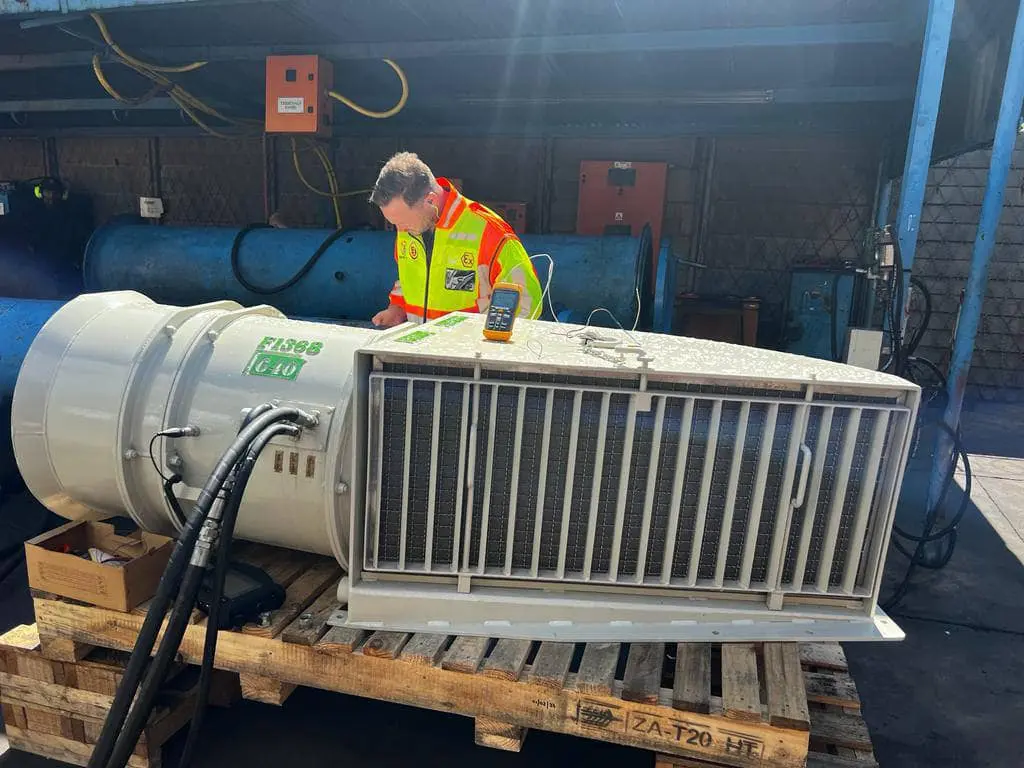
Equipment must undergo testing and assessment by a competent and accredited testing laboratory to verify compliance with the relevant IEC standards.
This process may involve:
Construction assessment
Electrical and mechanical testing
Thermal testing
Ingress protection verification
Verification of protection concepts
Testing confirms that the equipment performs safely under both normal and fault conditions in hazardous environments.
Step 5: Certification Review and Issuance
Once testing and technical assessment are complete, the certification body reviews the results and supporting documentation. If all requirements are met, an IECEx certificate is issued.
IECEx certification is internationally recognised and supports global market access, making it particularly valuable for manufacturers, exporters, and multinational operators.
Step 6: Ongoing Compliance and Quality Assurance
Certification is not always a once-off exercise. Depending on the scope, ongoing compliance may be required through quality assessment or mark schemes to ensure continued conformity of production.
Maintaining compliance helps protect certification validity, supports audits, and ensures long-term safety performance of certified equipment.

Common Mistakes That Delay Ex Equipment Certified
Many certification delays are avoidable. Common pitfalls include:
Selecting incorrect protection concepts
Using non-certified components within certified assemblies
Poorly prepared documentation
Assuming regional approvals automatically meet international requirements
Engaging certification bodies too late in the design process
Early engagement with experienced IECEx specialists can prevent these issues and reduce overall project risk.
Why IECEx Certification Is Ideal for International Operations
IECEx certification is specifically designed to support global recognition. Unlike regional schemes, it helps reduce the need for multiple national certifications and simplifies compliance for organisations operating in multiple countries.
For manufacturers, this means:
Easier access to international markets
Greater customer confidence
Improved alignment with global safety expectations
For operators, it means:
Safer installations
Simplified audits
Consistent safety standards across sites worldwide
Need IECEx Certification or Technical Guidance?
If you are developing new equipment, preparing for export, or need clarity on explosion protection requirements, working with an experienced IECEx certification body can streamline the process and reduce risk. MASC supports organisations globally, providing IECEx certification, testing, assessment, and technical expertise from its base in South Africa.
👉 Contact us to discuss your certification requirements or to speak with a technical specialist.
Final Thoughts
Ex equipment certification is a structured process, but it does not need to be complex or time-consuming when approached correctly. Understanding the steps, preparing accurate documentation, and engaging qualified certification professionals early can significantly improve outcomes.
With internationally recognised IECEx certification, organisations can operate with confidence in hazardous locations — wherever in the world those operations take place.